
Blue Literature Series Aoi Bungaku Series
Overview
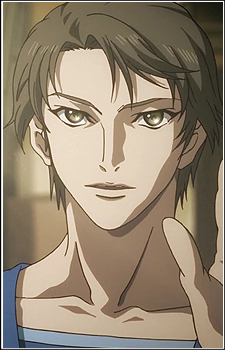
The series consists of adaptations of six modern classics of Japanese literature: Osamu Dazai’s No Longer Human (Ningen Shikkaku) & Run Melos! (Hashire Melos!), Natsume Soseki’s Kokoro, Ryunosuke Akutagawa’s Hell Screen (Jigoku Hen) & The Spider’s Thread (Kumo no Ito), and Ango Sakaguchi’s In the Forest, Under Cherries in Full Bloom (Sakura no Mori no Mankai no Shita).
No Longer Human (Ningen Shikkaku) – A high school student becomes lost and alienated. Despondent and aimless, he falls into a cycle of self abuse, depression and drugs that taints his life for years. Told in three chapters, each chapter deals with a different point in his life and the final chapter leaves him standing alone – an empty and hollow charicature of his former self.
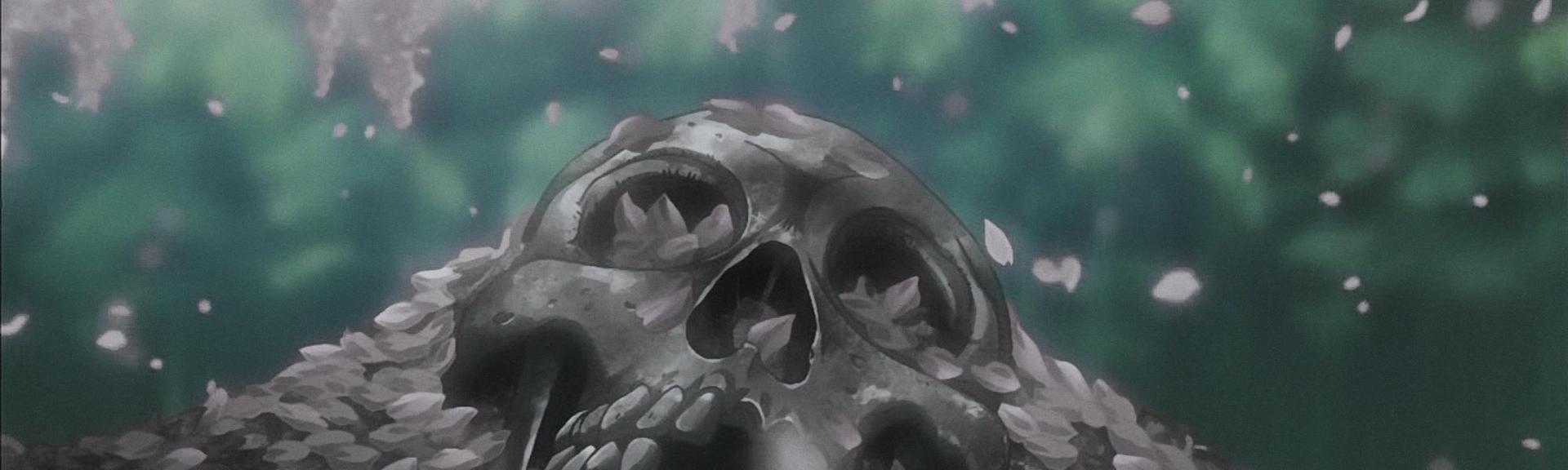
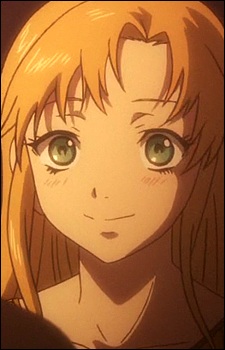
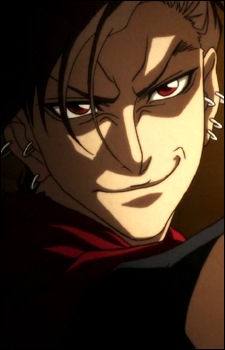
In the Forest, Under Cherries in Full Bloom (Sakura no Mori no Mankai no Shita) – A love story between a 12th-century woman and a mountain bandit who abducts her.
Kokoro – A 1914 tale of a young man’s life journey during the Meiji era. The work deals with the transition from the Japanese Meiji society to the modern era, by exploring the friendship between a young man and an older man he calls “Sensei”. It continues the theme of isolation developed in Soseki’s previous works, here in the context of interwoven strands of egoism and guilt, as opposed to shame.
Run Melos! (Hashire Melos!) – An updated retelling of a classic Greek tale of the story of Damon and Pythias. The most prominent theme of “Run Melos!” is unwavering friendship. Despite facing hardships, the protagonist Melos does his best to save his friend’s life, and in the end his efforts are rewarded.
The Spider’s Thread (Kumo no Ito) – The Buddha Shakyamuni chances to notice a cold-hearted criminal suffering in Hell. But this criminal did perform one single act of kindness in not stepping on a spider in a forest. Moved by this selfless act, Shakyamuni takes the silvery thread of a spider in Paradise and lowers it down into Hell, but it falls upon the criminal to seize the opportunity and pull himself out – if he can.
Hell Screen (Jigoku Hen) – A famous artist is commissioned by a great lord to create a series of paintings depicting scenes of the ‘Buddhist Hell’. The artist is unable to paint scenes that he has not seen himself, prompting him to torture and torment the Lord’s staff to create his imagined images of hell. His creative efforts taint the household, as the story descends into madness and destruction.
(Source: AniDB)
About Aoi Bungaku Series
This emotionally rich anime series, Aoi Bungaku Series, also known as Blue Literature Series,, made its debut in 2009 as a Drama, Psychological and Thriller production spanning 12 episodes. With its blend of emotionally rich and psychological elements, it offers an engaging series for genre fans.
Alternative Titles for Aoi Bungaku Series
Aoi Bungaku Series is known around the world by several names: Blue Literature Series, 青い文学シリーズ. Regardless of which title you know it by, you can find all episodes here.
Where to Watch Aoi Bungaku Series
You can watch Aoi Bungaku Series on My Blog. Episodes will be available soon.
Aoi Bungaku Series Details and Facts
Aoi Bungaku Series is a TV, consisting of 12 episodes, which first aired in 2009, during the Fall season, produced by MADHOUSE, with episodes running approximately 0h 22m minutes each. Its genres include Drama, Psychological and Thriller.
Anime Similar to Aoi Bungaku Series
If you enjoyed Aoi Bungaku Series, you might also like these anime from similar genres:
- Mahou Shoujo Madoka☆Magica (Drama, Psychological)
- Steins;Gate (Drama, Psychological)
- Yuukoku no Moriarty Part 2 (Drama, Psychological)
- Wonder Egg Priority (Drama, Psychological)
- Boku dake ga Inai Machi (Drama, Psychological)
- Zankyou no Terror (Drama, Psychological)
Information
Overview
The series consists of adaptations of six modern classics of Japanese literature: Osamu Dazai’s No Longer Human (Ningen Shikkaku) & Run Melos! (Hashire Melos!), Natsume Soseki’s Kokoro, Ryunosuke Akutagawa’s Hell Screen (Jigoku Hen) & The Spider’s Thread (Kumo no Ito), and Ango Sakaguchi’s In the Forest, Under Cherries in Full Bloom (Sakura no Mori no Mankai no Shita).
No Longer Human (Ningen Shikkaku) – A high school student becomes lost and alienated. Despondent and aimless, he falls into a cycle of self abuse, depression and drugs that taints his life for years. Told in three chapters, each chapter deals with a different point in his life and the final chapter leaves him standing alone – an empty and hollow charicature of his former self.
In the Forest, Under Cherries in Full Bloom (Sakura no Mori no Mankai no Shita) – A love story between a 12th-century woman and a mountain bandit who abducts her.
Kokoro – A 1914 tale of a young man’s life journey during the Meiji era. The work deals with the transition from the Japanese Meiji society to the modern era, by exploring the friendship between a young man and an older man he calls “Sensei”. It continues the theme of isolation developed in Soseki’s previous works, here in the context of interwoven strands of egoism and guilt, as opposed to shame.
Run Melos! (Hashire Melos!) – An updated retelling of a classic Greek tale of the story of Damon and Pythias. The most prominent theme of “Run Melos!” is unwavering friendship. Despite facing hardships, the protagonist Melos does his best to save his friend’s life, and in the end his efforts are rewarded.
The Spider’s Thread (Kumo no Ito) – The Buddha Shakyamuni chances to notice a cold-hearted criminal suffering in Hell. But this criminal did perform one single act of kindness in not stepping on a spider in a forest. Moved by this selfless act, Shakyamuni takes the silvery thread of a spider in Paradise and lowers it down into Hell, but it falls upon the criminal to seize the opportunity and pull himself out – if he can.
Hell Screen (Jigoku Hen) – A famous artist is commissioned by a great lord to create a series of paintings depicting scenes of the ‘Buddhist Hell’. The artist is unable to paint scenes that he has not seen himself, prompting him to torture and torment the Lord’s staff to create his imagined images of hell. His creative efforts taint the household, as the story descends into madness and destruction.
(Source: AniDB)
About Aoi Bungaku Series
This emotionally rich anime series, Aoi Bungaku Series, also known as Blue Literature Series,, made its debut in 2009 as a Drama, Psychological and Thriller production spanning 12 episodes. With its blend of emotionally rich and psychological elements, it offers an engaging series for genre fans.
Alternative Titles for Aoi Bungaku Series
Aoi Bungaku Series is known around the world by several names: Blue Literature Series, 青い文学シリーズ. Regardless of which title you know it by, you can find all episodes here.
Where to Watch Aoi Bungaku Series
You can watch Aoi Bungaku Series on My Blog. Episodes will be available soon.
Aoi Bungaku Series Details and Facts
Aoi Bungaku Series is a TV, consisting of 12 episodes, which first aired in 2009, during the Fall season, produced by MADHOUSE, with episodes running approximately 0h 22m minutes each. Its genres include Drama, Psychological and Thriller.
Anime Similar to Aoi Bungaku Series
If you enjoyed Aoi Bungaku Series, you might also like these anime from similar genres:
- Mahou Shoujo Madoka☆Magica (Drama, Psychological)
- Steins;Gate (Drama, Psychological)
- Yuukoku no Moriarty Part 2 (Drama, Psychological)
- Wonder Egg Priority (Drama, Psychological)
- Boku dake ga Inai Machi (Drama, Psychological)
- Zankyou no Terror (Drama, Psychological)
Characters
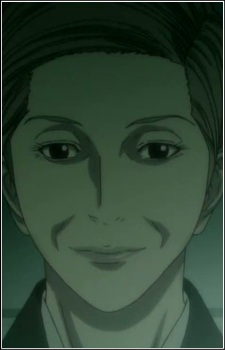

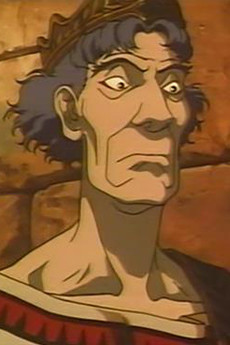
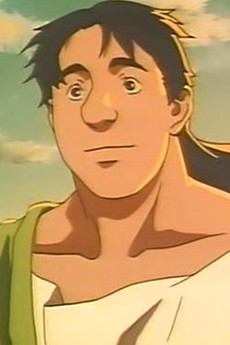
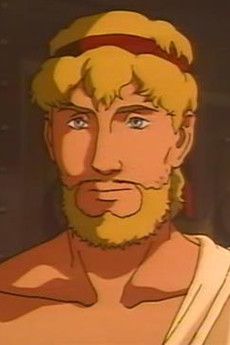
Trailer
No trailer available.
Comments & Review
Update Watchlist
Aoi Bungaku Series
Please log in to manage your watchlist.
Comments
0 Comments